The Sankuru Province
Introduction to Sankuru Province
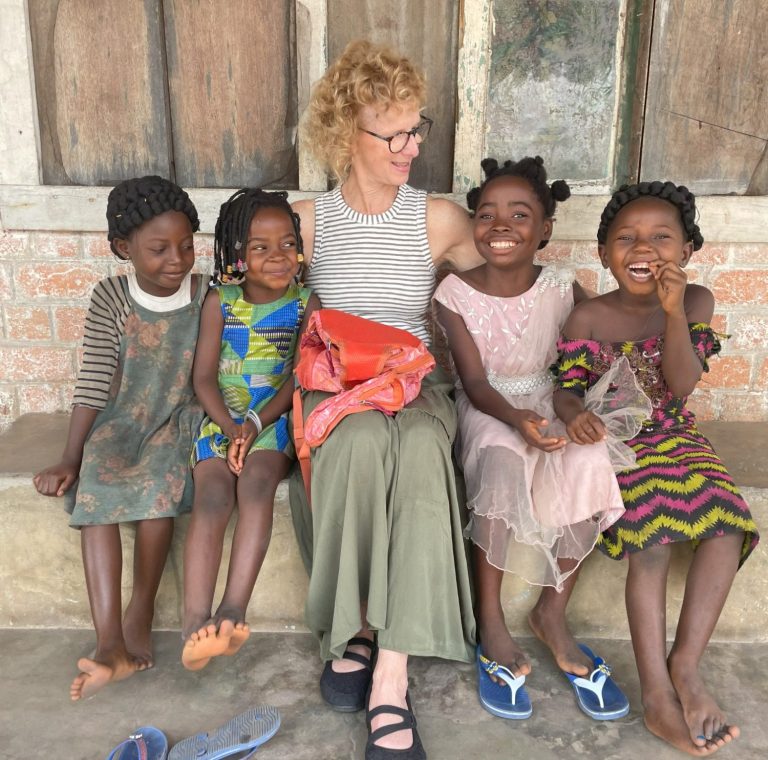
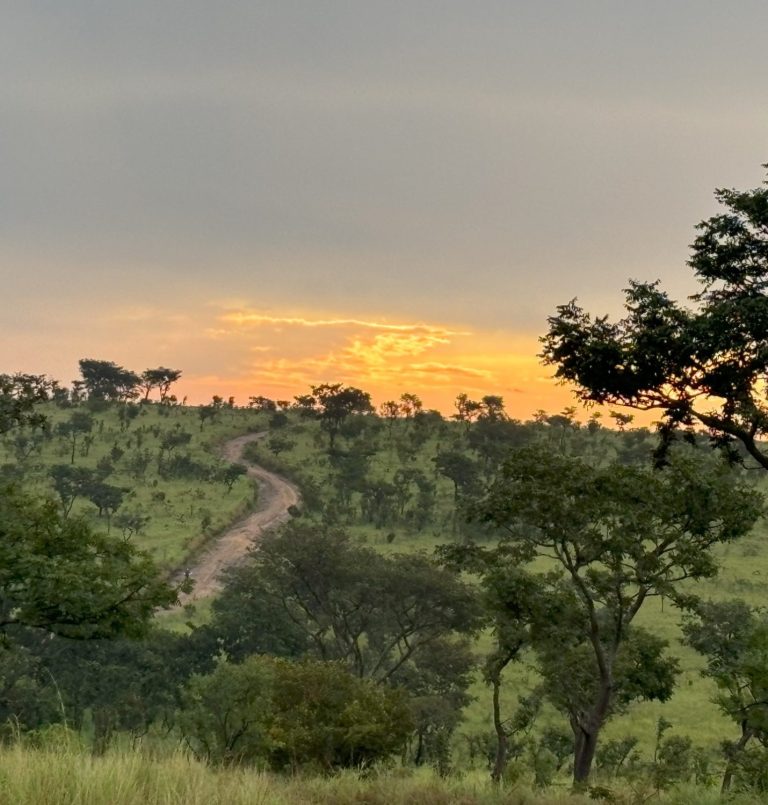
The Sankuru is a landlocked province located in the central Democratic Republic of Congo. Covering approximately 117,600 square kilometers, it is home to an estimated 2.9 million people. The province is renowned for its rich biodiversity, consisting of extensive forests and savannas that provide habitats for a variety of wildlife, including bonobo monkeys, okapis, and several primate species.
Health Challenges in Sankuru
The population of Sankuru faces numerous health challenges, such as recurrent outbreaks of infectious diseases like monkeypox, cholera, and typhoid fever, as well as measles. These issues are intensified by an underdeveloped health infrastructure that lacks critical resources, contributing to high mortality rates. The province also contends with broader health concerns common throughout the DRC, including malaria, tuberculosis, and HIV/AIDS, all of which place additional stress on the already strained healthcare system.
Our Program Initiatives and Their Impact
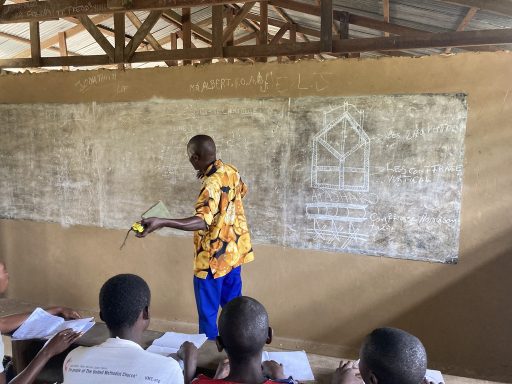
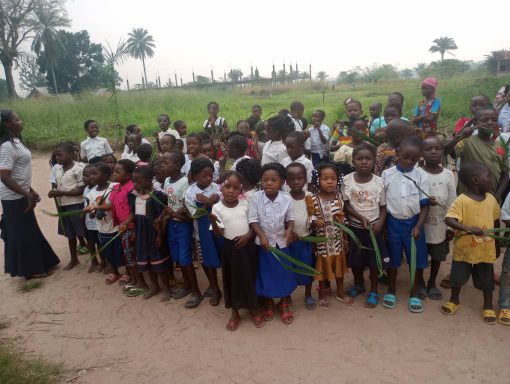
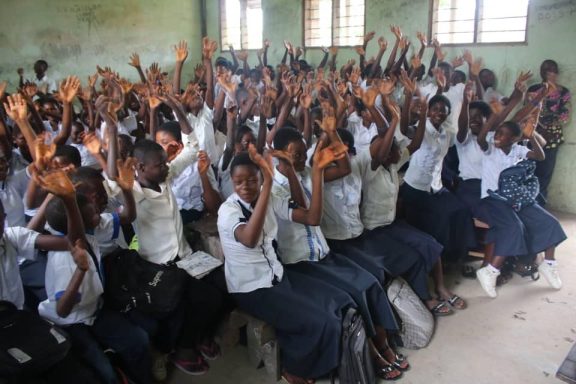
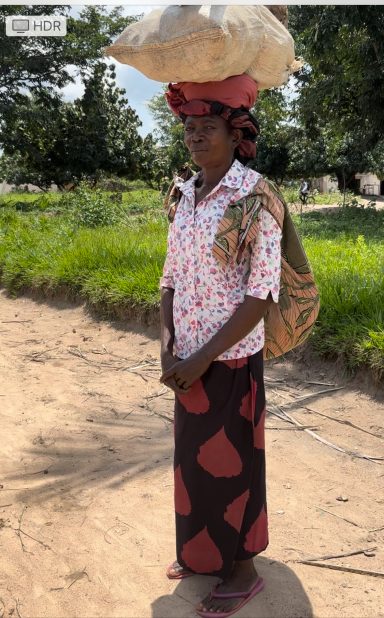
Our partnership programs play a significant role in supporting the residents of Sankuru, addressing the region’s most pressing needs through targeted initiatives like freshwater wells and ophthalmology care. All our programs collectively aim to improve the quality of life for communities in Sankuru by providing essential resources, health support, education, and spiritual guidance. Together, they address the key challenges faced by the province and lay the foundation for a healthier and more sustainable future.
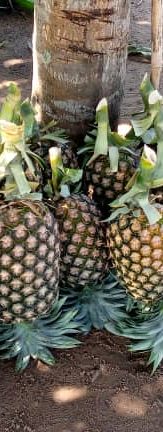
Sustainable Farming Practices
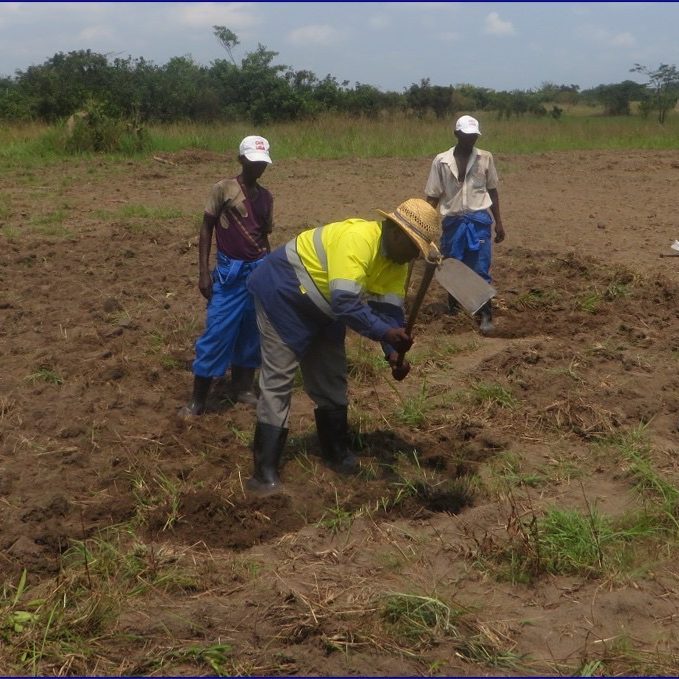
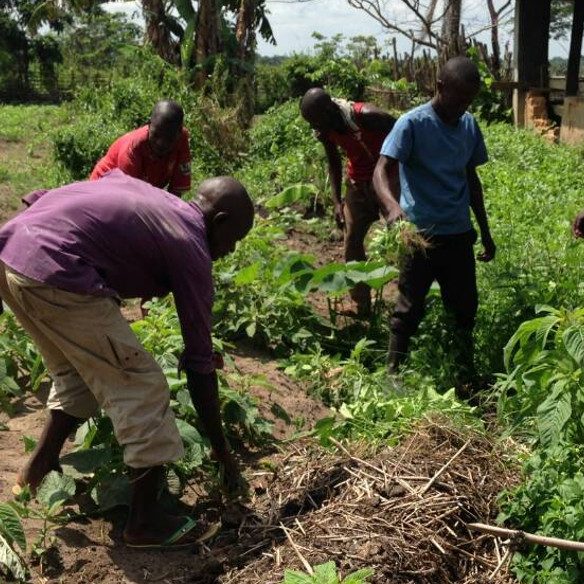
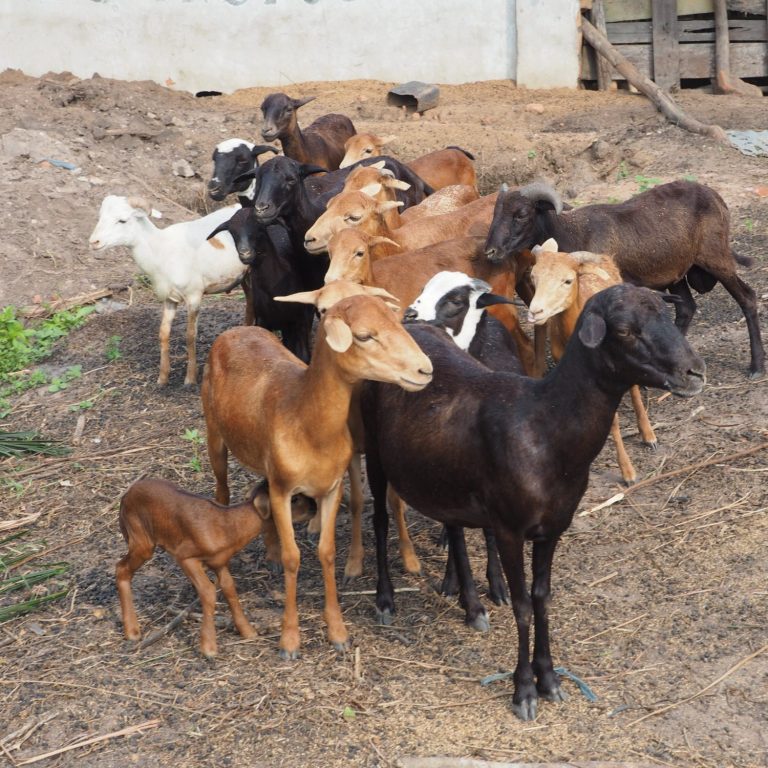
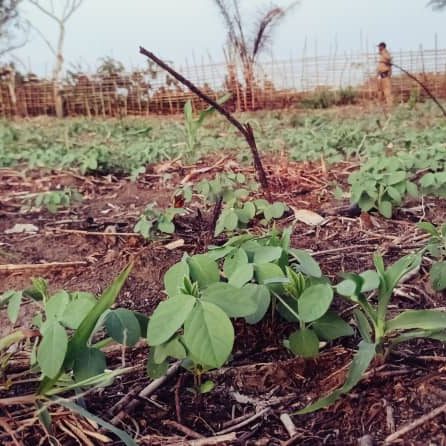
Central to our approach is the implementation of sustainable farming techniques, particularly the use of animal traction. This method provides local communities with the means to produce food and generate income. Unlike modern farm machinery, which is unavailable and impractical to maintain in rural Africa, draft animals offer a reliable solution. This approach is reminiscent of "Amish" style farming in the United States and has the potential to significantly reduce malnutrition in Congo.
The Agriculture Project
Income Generation and Community Impact
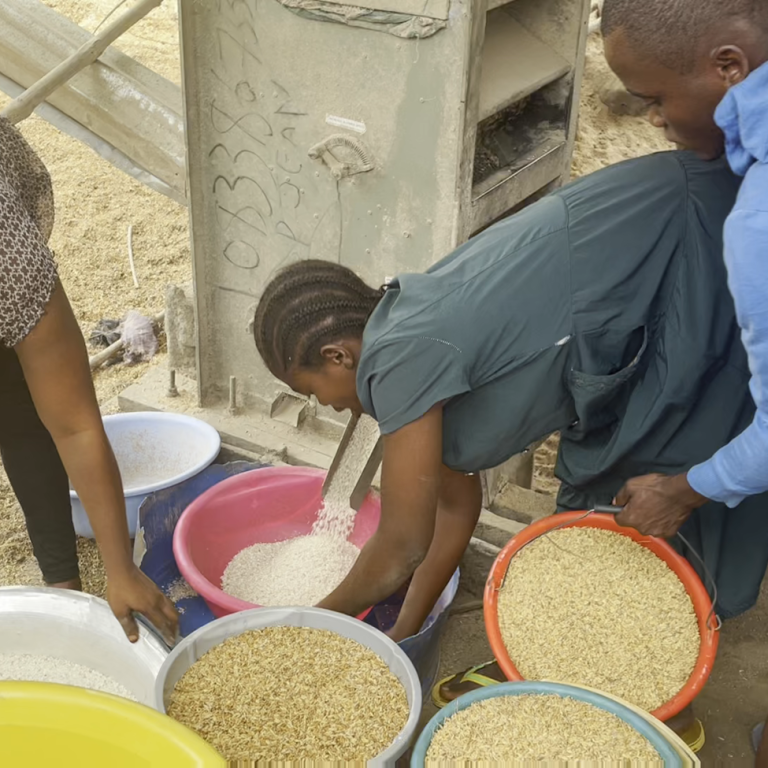
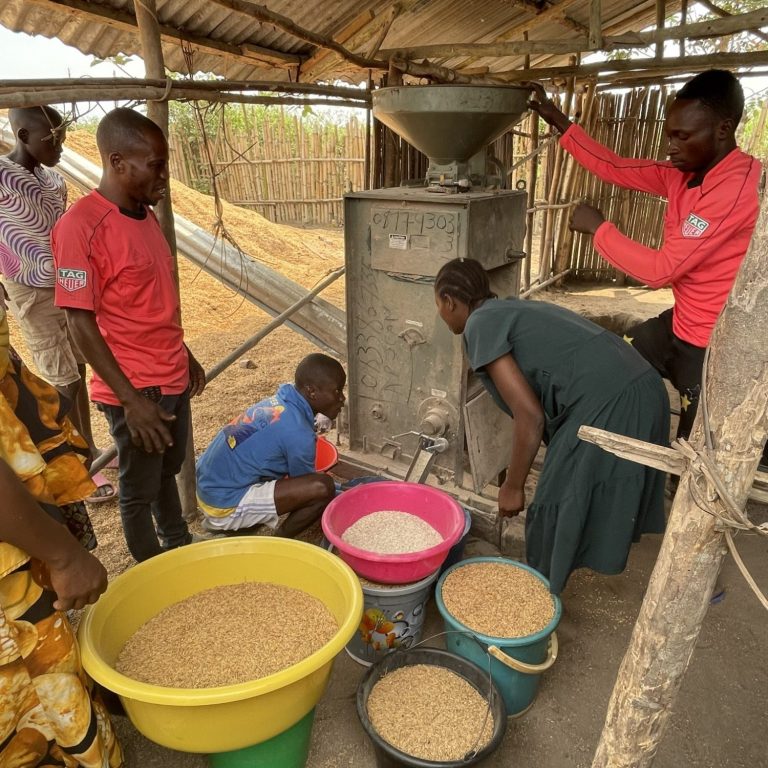
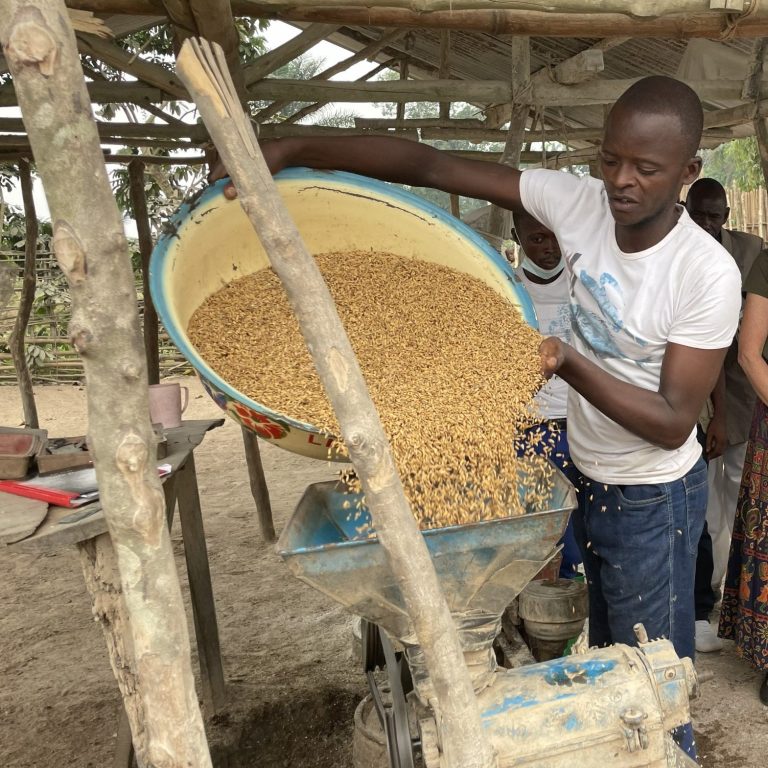
The farm currently operates two grinders, which serve as an important income source. Most residents in the area grow rice, maize, or soy; however, they previously lacked access to grinders within walking distance, as none own automobiles or trucks. The availability of these grinders has improved both convenience and economic opportunity. Additionally, vegetable husks and shells are repurposed as feed for the farm animals, further supporting sustainable practices and resource utilization.
Project Purpose and Vision
The agriculture project aims to deliver substantial assistance and support for the development of agriculture in Congo. The overarching goal is to enable agriculture to become a sustainable source of both income and nutrition for the local population.
Our vision is to glorify God and bring blessings to our neighbors by leveraging sustainable agricultural practices. By empowering the powerless to become self-sufficient, we demonstrate genuine care and concern for the well-being of God's people—a true reflection of God's love.
Leadership and Training
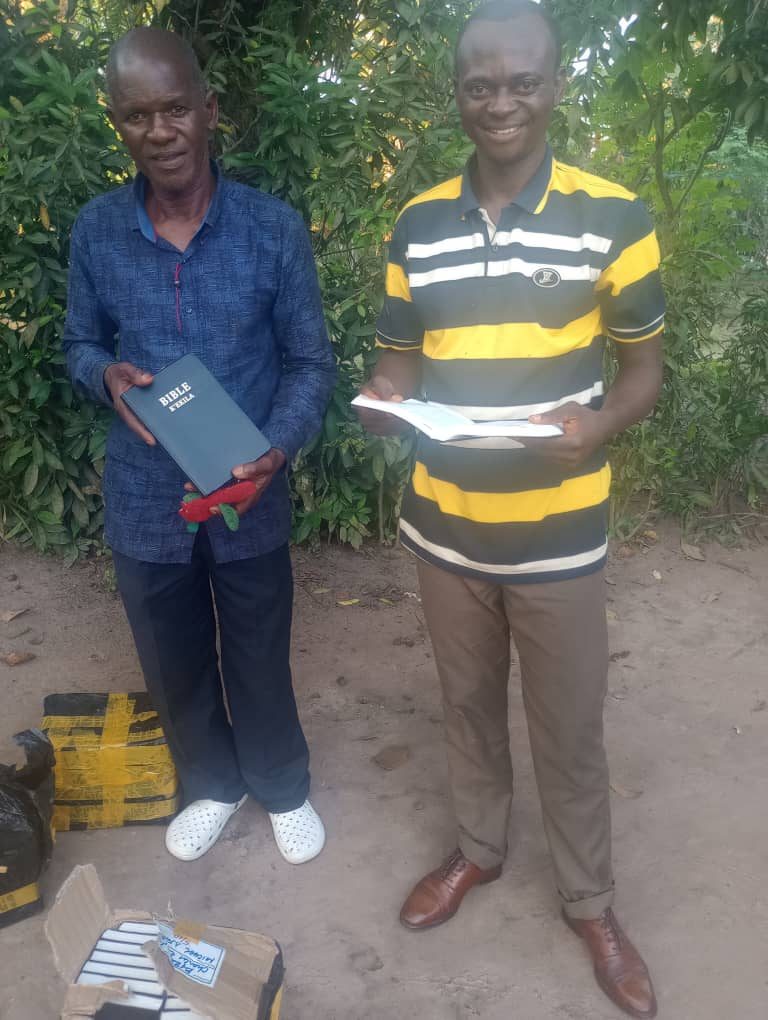
The ministry is led by Director Victor Embeya, who works alongside a team of trained leaders. Together, they provide training sessions for teachers and helpers who are interested in offering Christian educational opportunities for children. These training classes equip volunteers with the skills and resources necessary to foster a supportive and dynamic learning environment.
Children's Ministry
Overview
Program Activities
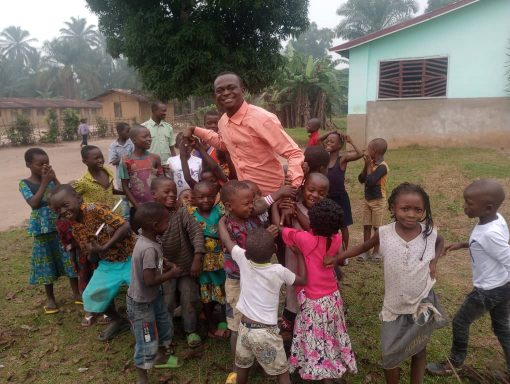
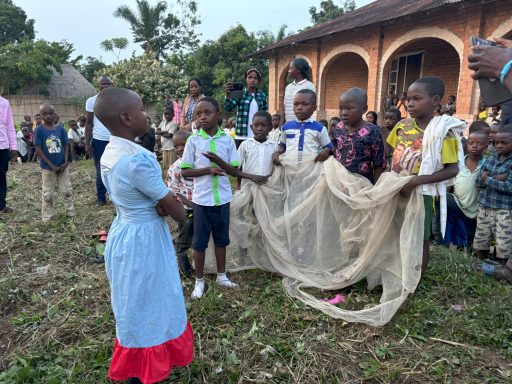
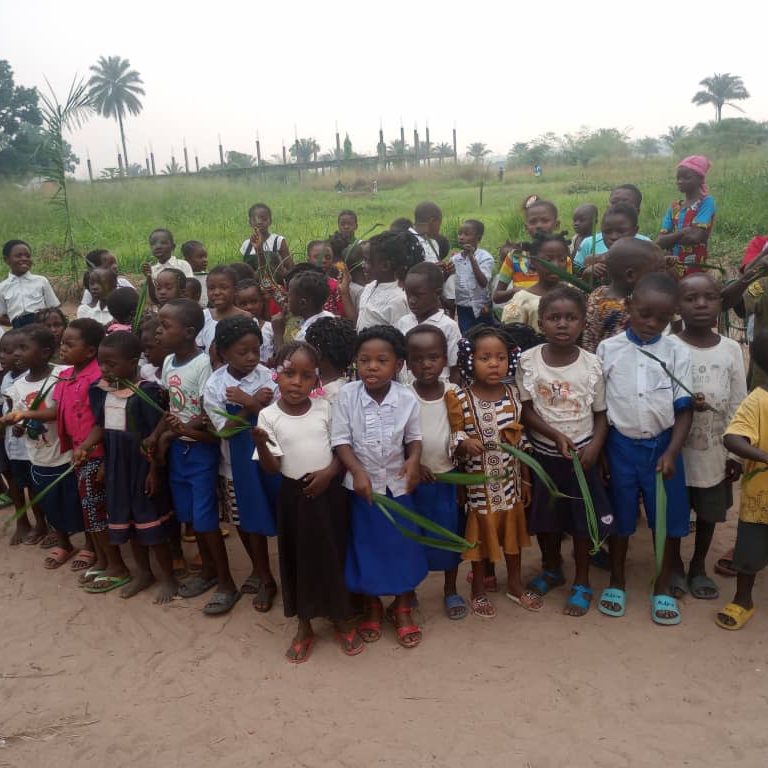
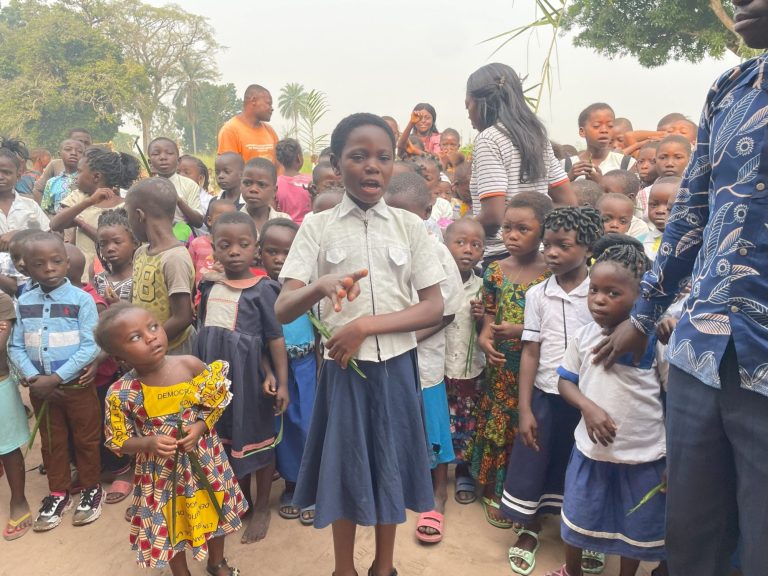
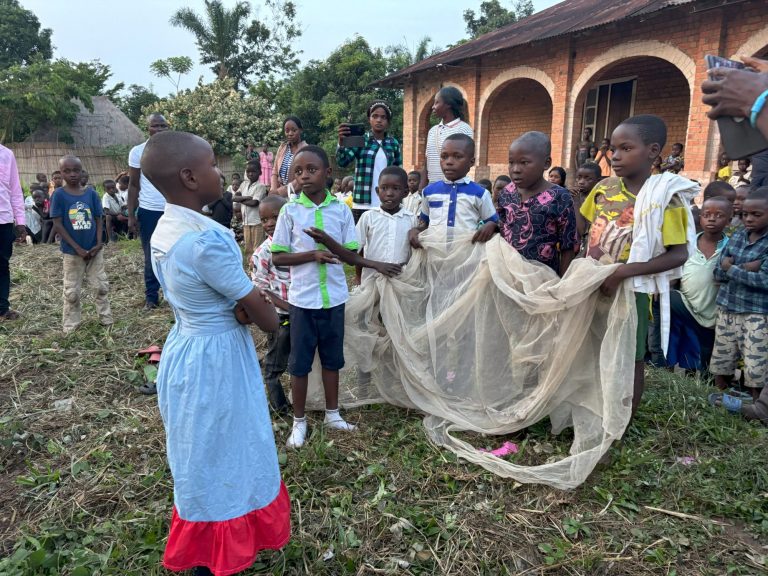
Each class session starts with music, where children learn and sing praise songs about Jesus. This engaging and enjoyable time helps create a joyful atmosphere for learning. Following the music, children are taught Bible stories. To reinforce these lessons, they participate in drama presentations, which give them opportunities to act out the stories they have learned. The children are involved in making costumes, puppets, and props, contributing their creativity to these activities and making the stories more memorable.
Scripture Memorization and Impact
An important aspect of the classes is scripture memorization, which is woven into the program to strengthen the children’s understanding of their faith. When partners from the USA visit the ministry, they are consistently impressed by how much the children have learned and the progress they are making in their spiritual journeys.
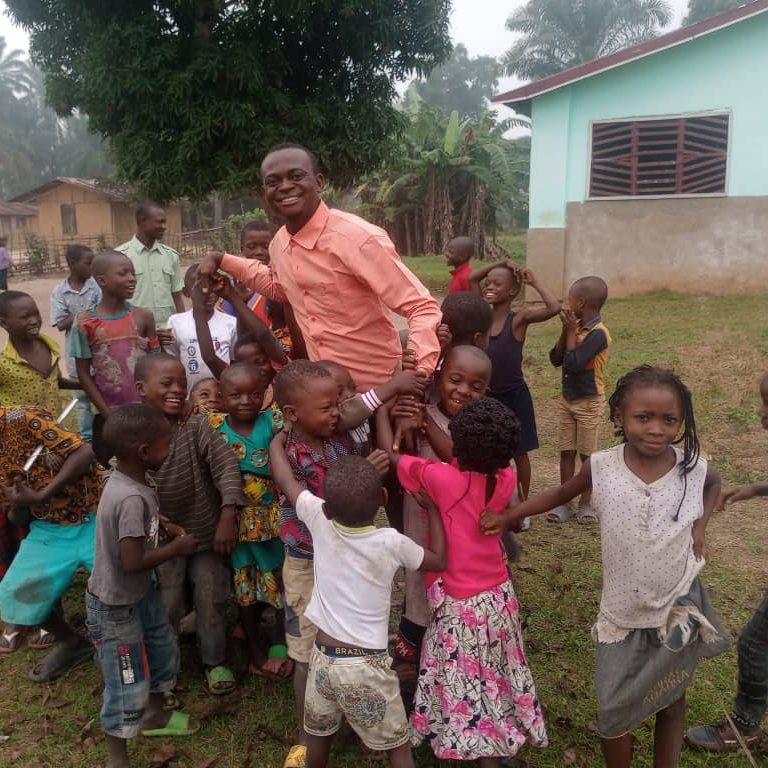
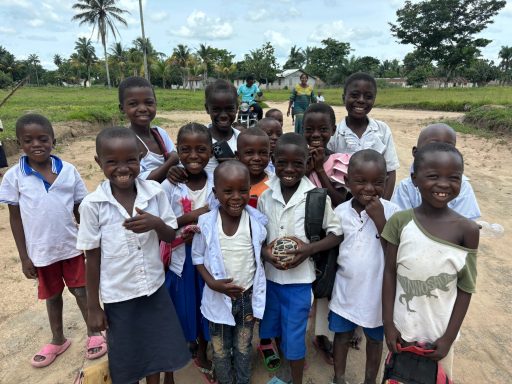
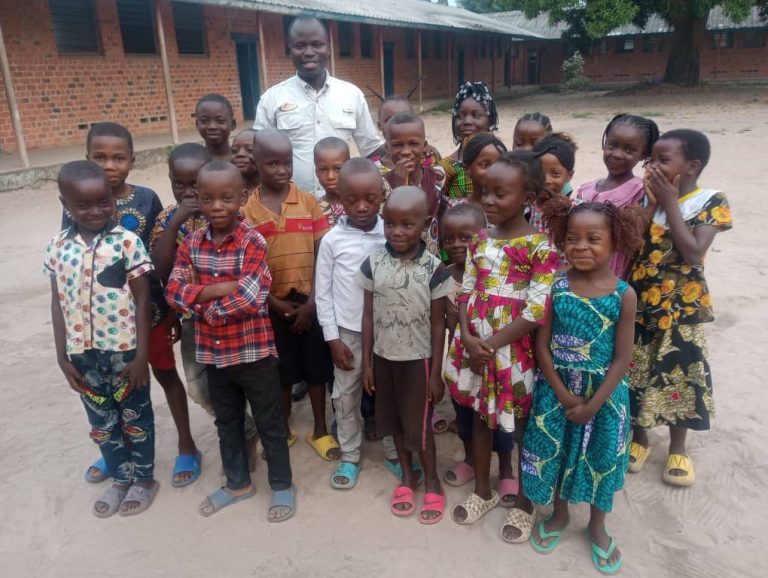
The Children’s Ministry was established in 2013 in the village of Wembo Nyama. At its inception, the program began with just 35 children and three dedicated volunteer teachers. Over time, the ministry has experienced remarkable growth. By 2025, it has expanded to include more than 4,000 children not only in Wembo Nyama but also in many surrounding villages throughout the province. The children’s groups gather for activities two days each week.
Freshwater Wells Initiative
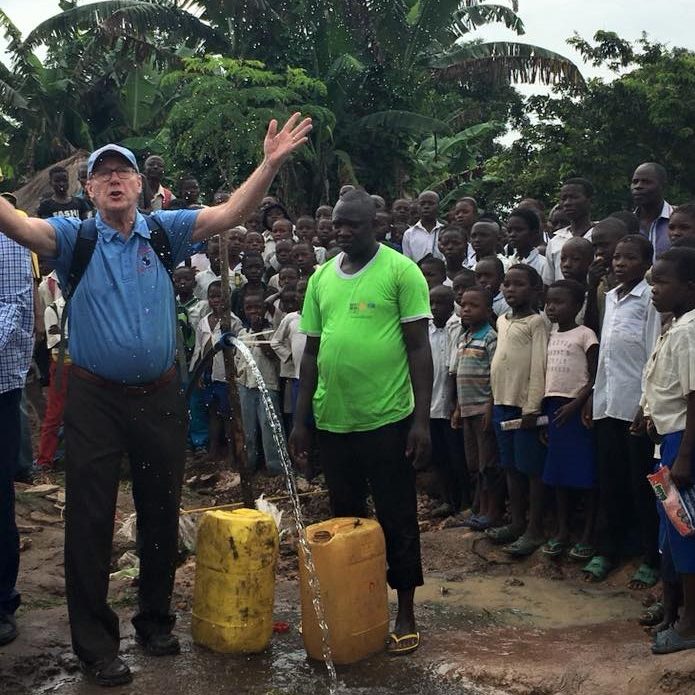
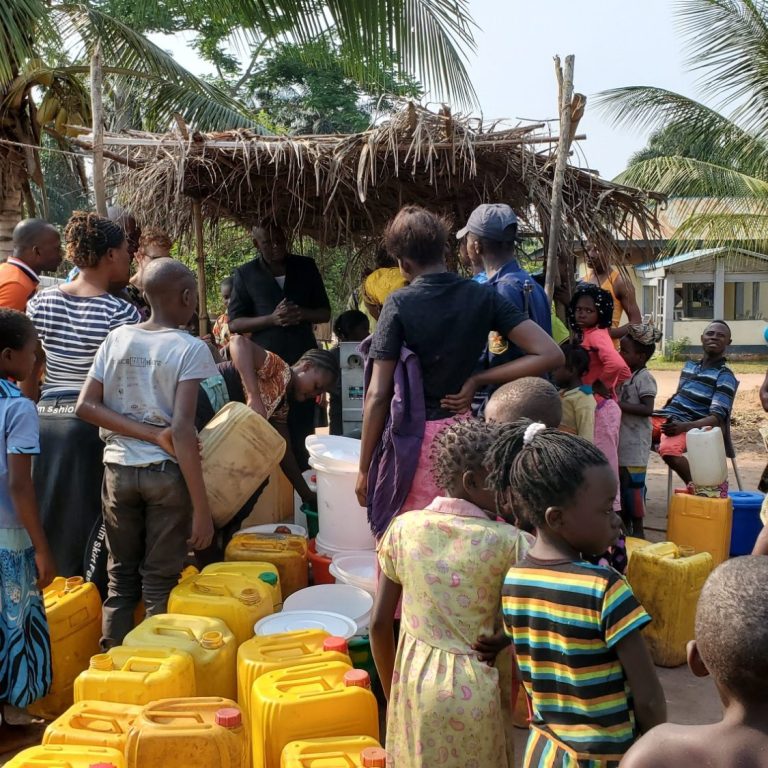
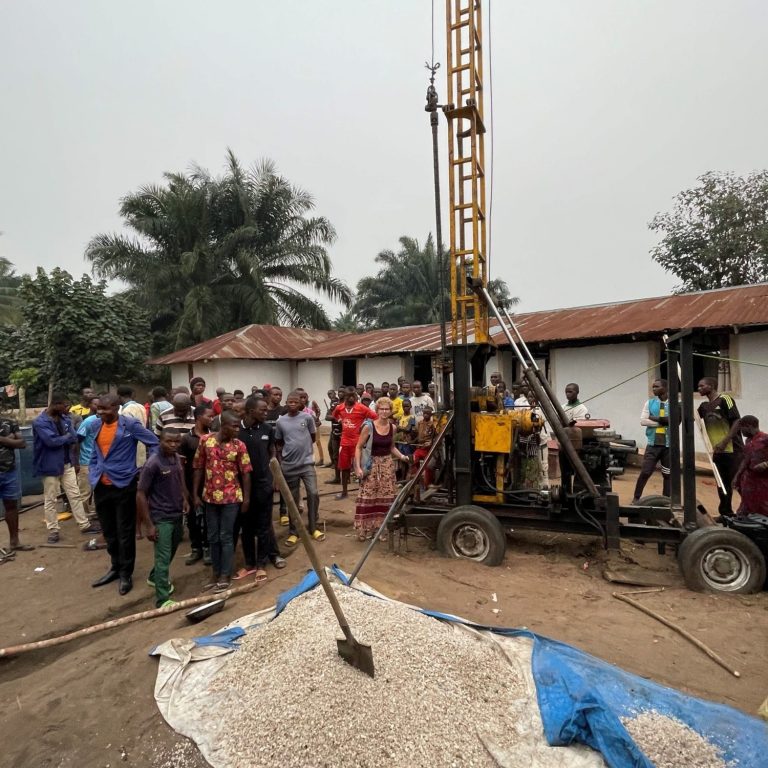
When the first spray of freshwater pours out of a newly drilled well, it is a moment filled with immense joy. The sight of clean water gushing forth signifies more than just the success of the drilling process—it marks the beginning of a new chapter for the community.
This happiness is not fleeting. It is rooted in the knowledge that the arrival of fresh water will change lives in profound ways. The positive effects of this moment will continue to flow, bringing hope and better living conditions for everyone who benefits from the well.
Overview
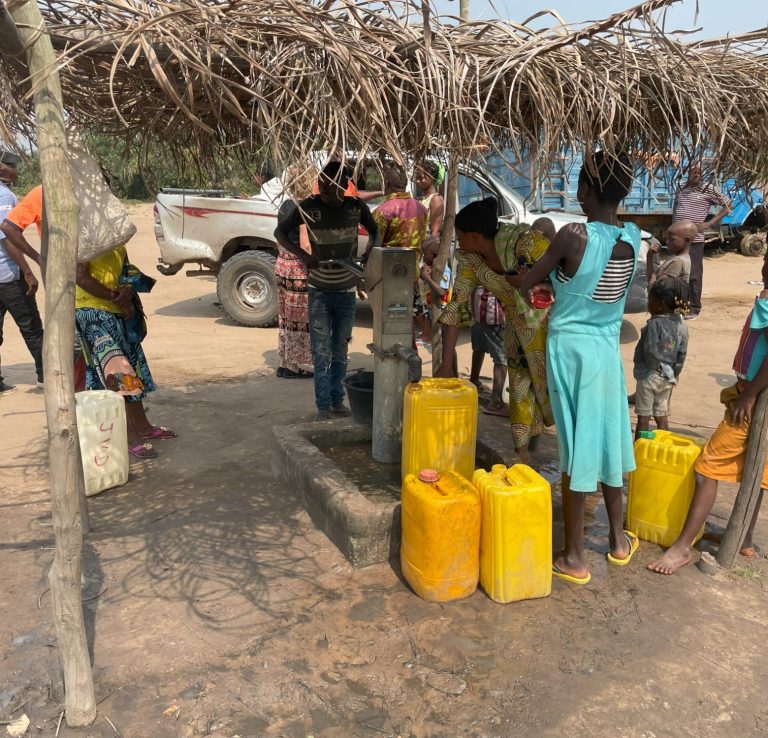
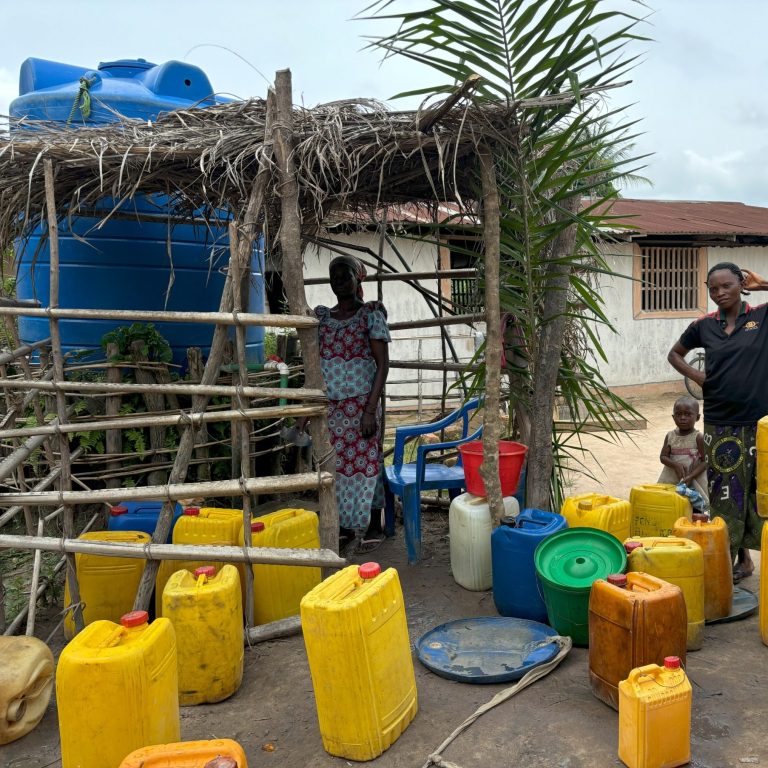
Access to clean water is vital for both the health and livelihood of communities. The need for fresh water is especially critical, as waterborne diseases such as typhoid fever and cholera are among the leading causes of childhood death.
Milestones
The Partnership took its first major step in 2015 by drilling a well that provided fresh water for the people and the farm in Diengenga. This well marked a turning point for the community, offering safe water and reducing the prevalence of disease.
To further improve access and efficiency, solar panels were installed on the well in July 2019. These panels now power the pump, ensuring a consistent water supply for irrigation year-round. This is especially crucial during the dry season, when rain can be scarce for extended periods.
Expansion Efforts
Since establishing the first well, The Partnership has expanded its efforts throughout the region. Wells have been drilled in villages across Sankuru Province, and two additional wells have been constructed in Kinshasa Province, following guidance from Congolese partners. To date, a total of 21 wells have been completed.
Each newly completed well brings celebrations and relief among villagers. Joy and gratitude are evident, as access to safe drinking water means freedom from the ongoing threat of illness caused by contaminated water sources.
Community Impact
After the first well was completed, villagers were interviewed about the significance of having access to clean water. One comment captured the sentiment of the community: "Water is Life!" This powerful statement reflects the transformative impact that these wells have had on the daily lives and well-being of the people.
The Jack and Renie Miner Technical Institute: A Journey of Dedication
Jack's First Encounter with the DRC
Jack Miner made his first trip to the Democratic Republic of the Congo (DRC) in 1989. Captivated by the country and its people, he continued to visit for many years, sometimes staying as long as four months at a time.
Focus on Education
During his visits, Jack developed a particular interest in the Diengenga Trade School. His commitment to improving this institution became a central part of his work in the region.
Training and Community Impact
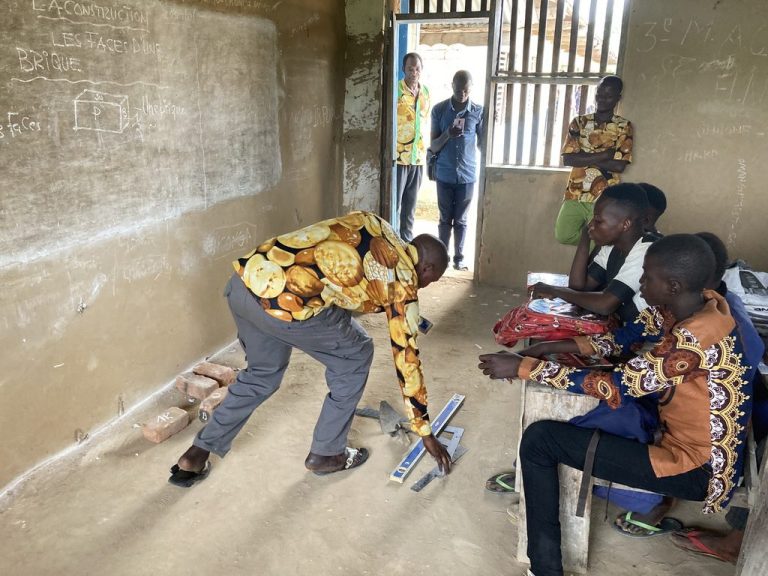
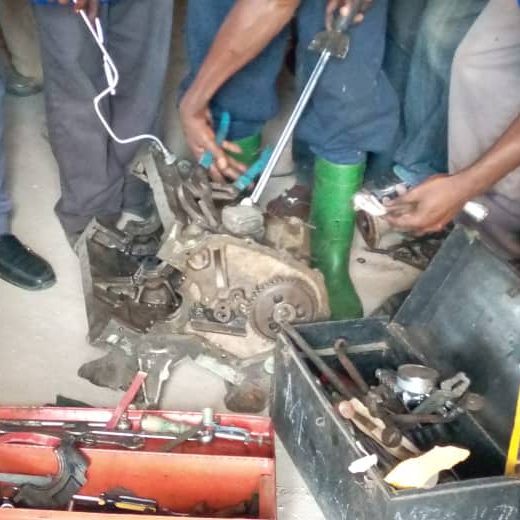
The technical institute now provides training for young men and women in masonry, carpentry, mechanics, and computer technology. Its reputation has grown throughout Sankuru, attracting students from other villages who want to learn valuable trades. The institute’s graduates offer essential services that support and benefit the local community.
Establishment of the Jack and Renie Miner Technical Institute
Over the next few years, the new building was completed and renamed the Jack and Renie Miner Technical Institute in honor of Jack and his wife, Renie.
Assessing Needs and Delivering Resources
In 2005, Jack traveled with a team to assess the school and identify their needs. Their efforts led to significant support for the trade school. In 2007, a large container arrived with all the necessary tools and equipment to construct a new building for the school.
Mama Tola Secondary School
Origins and Mission
Founding of the School
Mama Tola Secondary School was established in the 1960s by Lorena Kelly, a Methodist missionary from Western North Carolina. While working in the Congo, Lorena was honored with the name Mama Tola—a designation that has become a respected tradition for missionaries in the region.
Evolution and Purpose
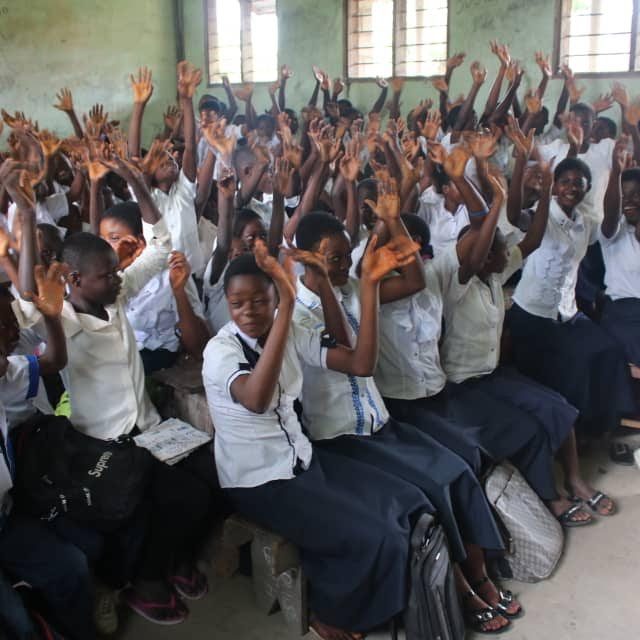
The school began as an institution exclusively for girls but has since grown into a co-educational secondary school. Its mission centers on delivering a comprehensive education and providing students with training that prepares them for a variety of future pursuits.
Curriculum and Training
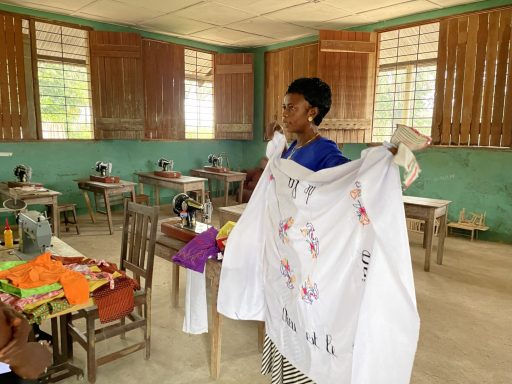
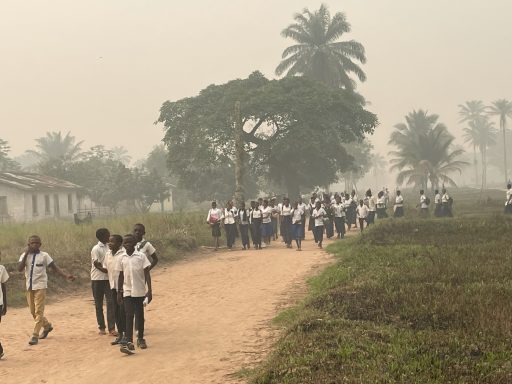
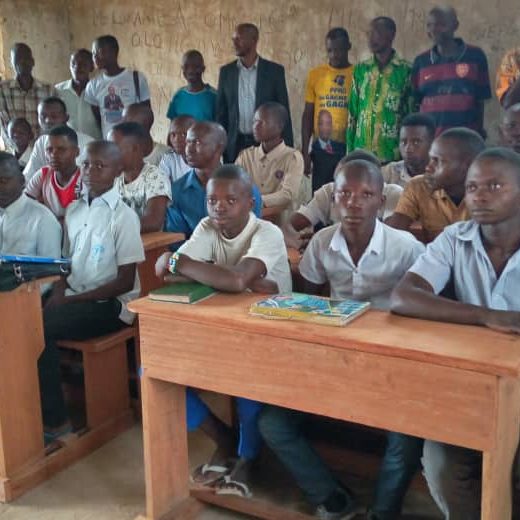
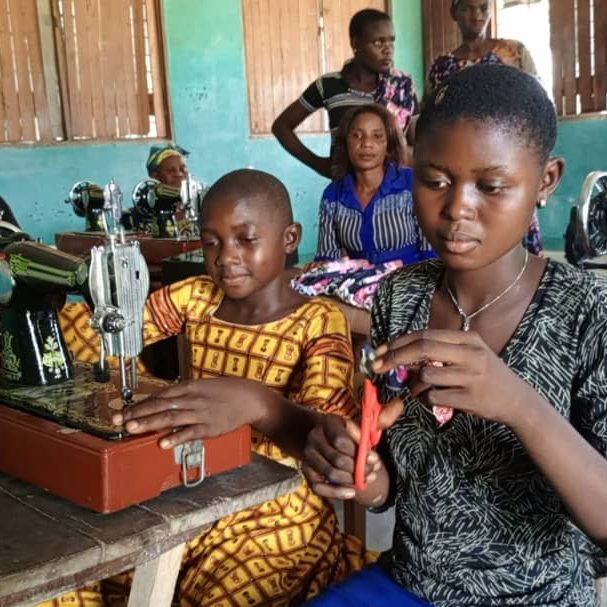
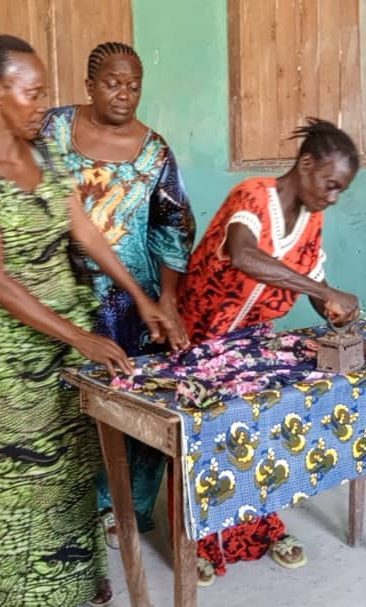
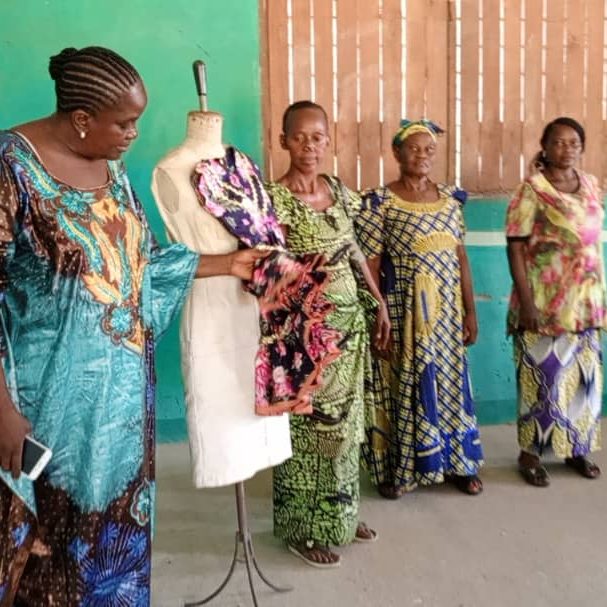
Students at Mama Tola Secondary School engage in a broad curriculum that covers academic subjects alongside practical disciplines such as sewing, cooking, and technology. These programs are intended to furnish students with crucial skills and knowledge for their future careers and personal growth.
Student Aspirations and Voices
During a visit to the school, Susie Keefer—a US Partner member—spoke with several students about their ambitions after graduation. One student shared her goal of attending university to become an interpreter; another, who excels in sewing, hopes to open her own sewing business. A third student, passionate about biology and the study of the human body, plans to pursue a career as a doctor. These conversations highlighted how children from this small, remote village possess dreams and aspirations that are just as compelling and diverse as those of young people around the world.
Mama Tola Social Program
Practical Life Skills
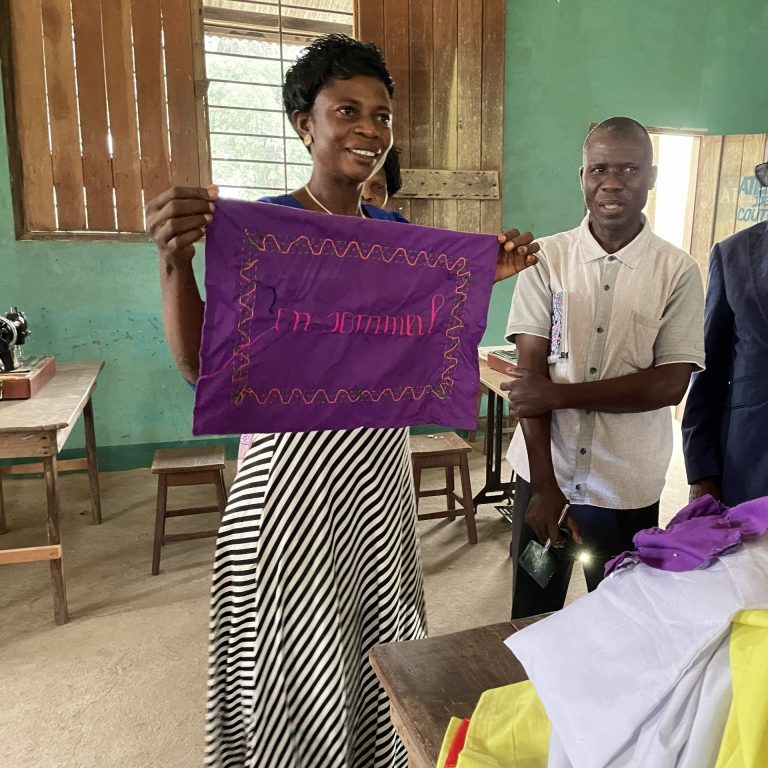
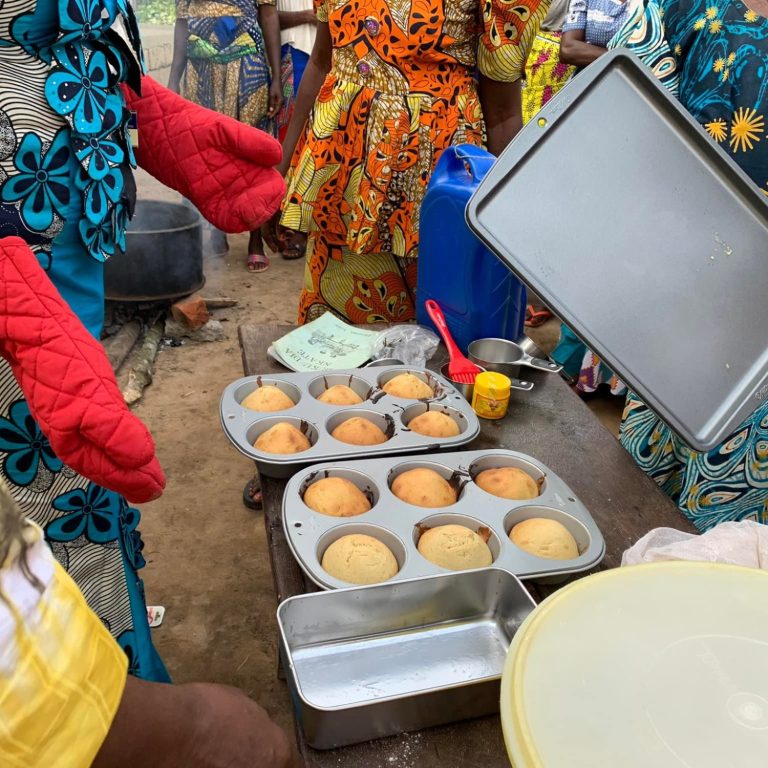
In addition to academic subjects, the program also equips young women with practical skills such as sewing and baking. These skills not only foster creativity but also open up potential avenues for income generation.
Family and Home Management
The curriculum extends beyond educational and vocational skills to include guidance on establishing a Christian home and understanding family planning. This focus helps participants create stable and nurturing environments for their families, supporting both their personal growth and the well-being of their children.
Introduction
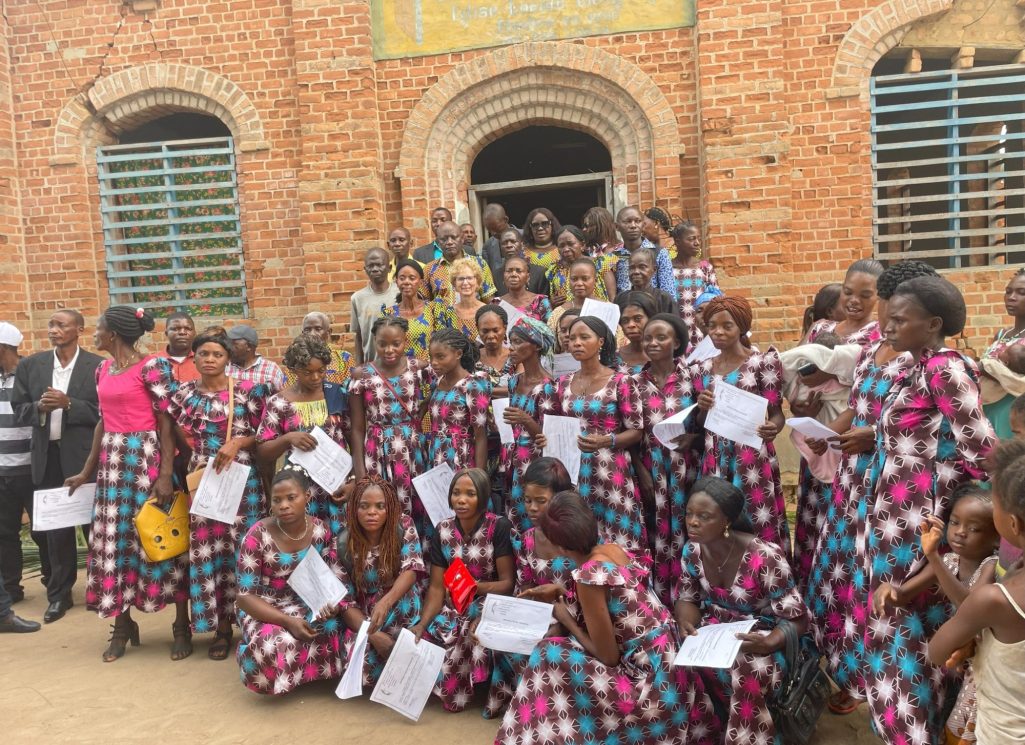
The Mama Tola Social program is a beacon of hope for young women in the community who were unable to complete their education due to early pregnancies. This initiative is designed to empower these women and provide them with the tools they need to build brighter futures for themselves and their families.
Program Leadership and Development
The program is driven by a team of dedicated Congolese teachers and volunteers. Under the leadership of their director, Bernadette, this group has created a comprehensive curriculum that addresses the unique challenges faced by young mothers and wives.
Comprehensive Curriculum
The Mama Tola Social program offers instruction in a range of essential subjects to ensure the holistic development of its participants. Academic instruction includes reading, math, and budgeting skills, which are fundamental for everyday life and future opportunities.
For the graduation ceremony, each graduate takes the opportunity to design her own dress. This allows every participant to express her individuality and creativity. The unique dresses serve as a reflection of each young woman's personal style and artistic vision.
Ophthalmology Clinic
Overview
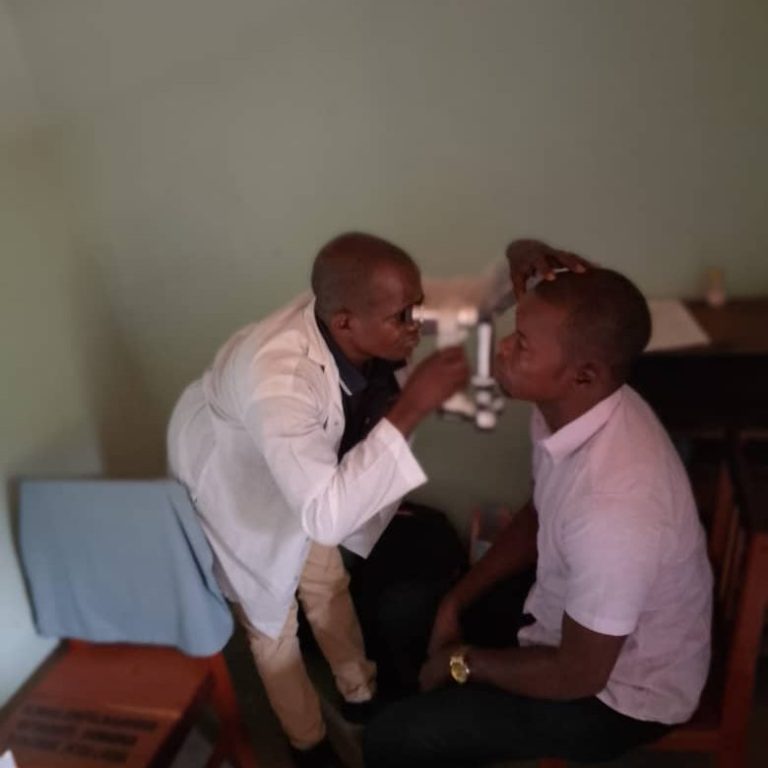
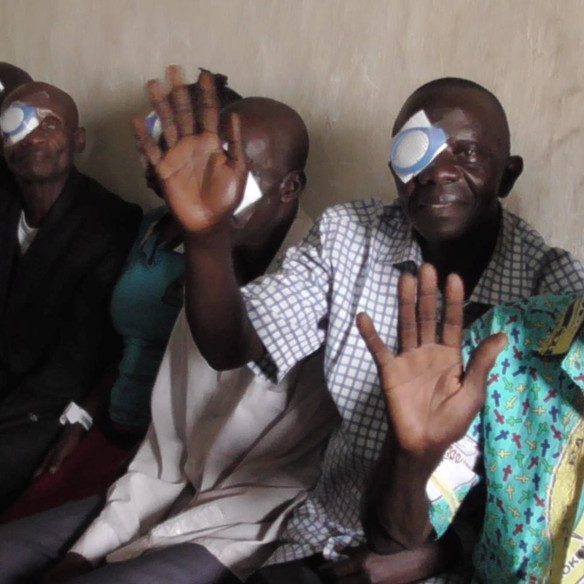
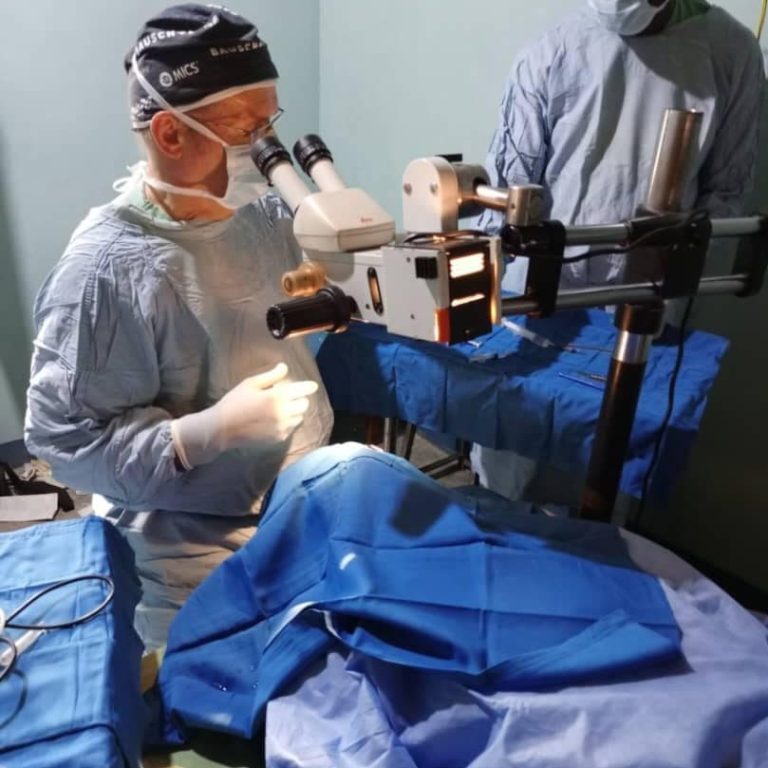
Blindness resulting from treatable conditions, such as cataracts, and preventable diseases like onchocerciasis—commonly known as “river blindness”—continues to pose a significant public health challenge in Sankuru Province. A large portion of the local population is affected by visual impairment due to limited access to adequate eye care services. Tackling these issues is crucial to improving the quality of life for residents and decreasing the incidence of avoidable blindness in the region.
Efforts to Improve Eye Care
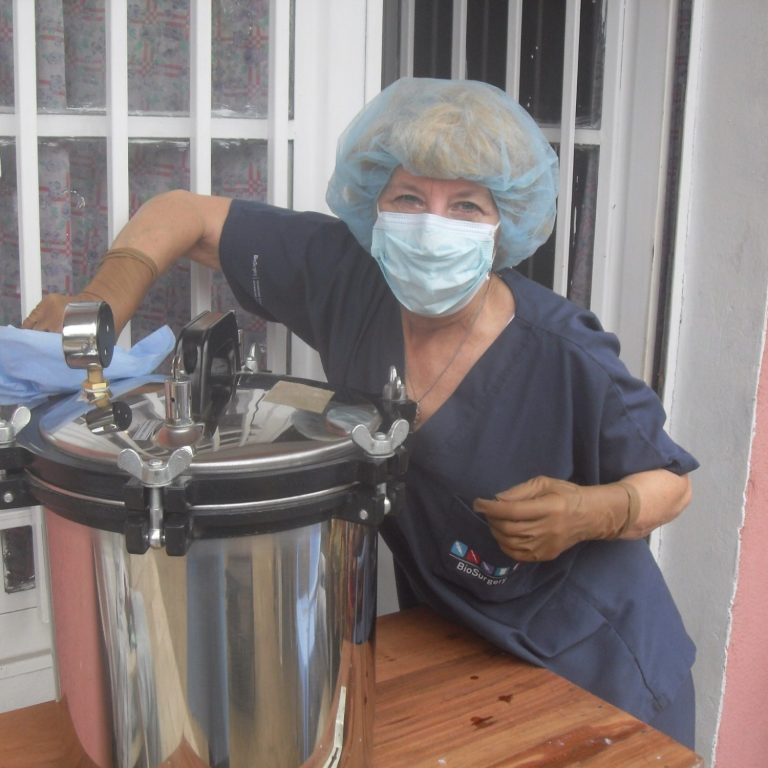
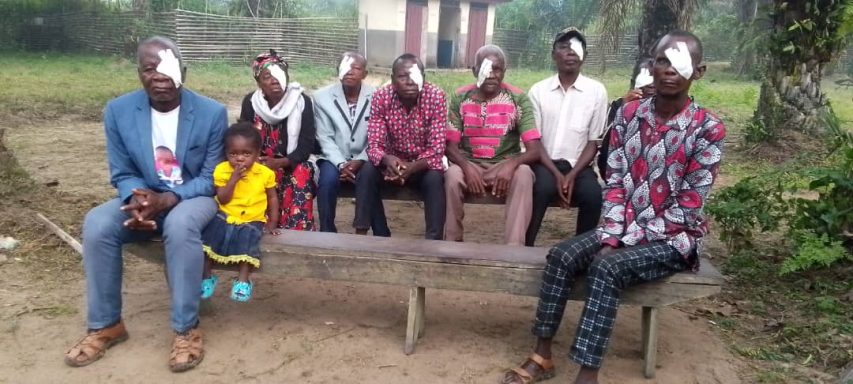
In response to these pressing needs, the Partnership has implemented multiple initiatives to enhance eye health in Sankuru Province. Beginning in 2007, the organization launched four major cataract missions, successfully restoring vision for hundreds of individuals. One of the Partnership’s primary objectives was to establish a self-sustaining eye care clinic within the province, ensuring ongoing access to essential services.
Current Operations
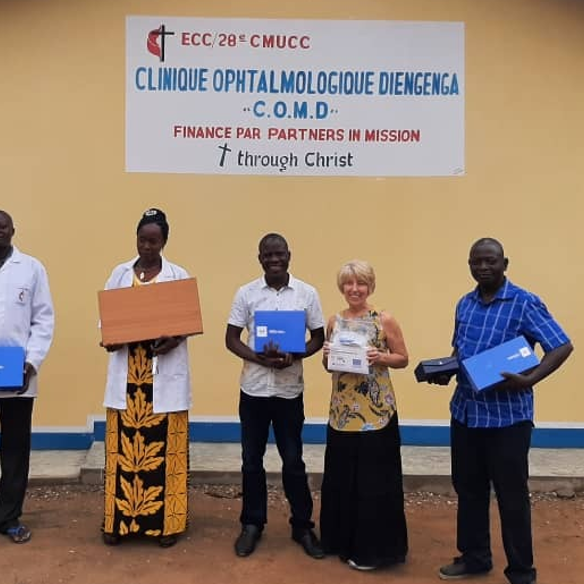
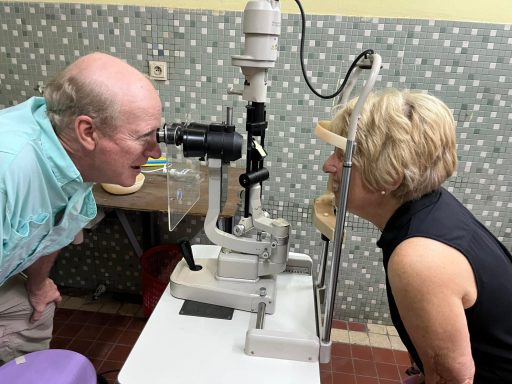
At present, the clinic is fully functional and continues to address the eye care needs of the community. Efforts to build local capacity are ongoing, with a surgeon currently receiving specialized training to perform cataract surgeries and treat various other eye diseases. These steps further strengthen the clinic’s ability to manage both preventable and treatable causes of blindness in Sankuru Province.
The clinic’s opening is the culmination of eight years of dedicated efforts, including planning, fundraising, procurement of essential equipment, renovation of the surgical facility, staff training, and the generous support of many contributors in the United States. Today, the clinic stands as a testament to this sustained commitment and serves as a critical resource for eye health in the region.